

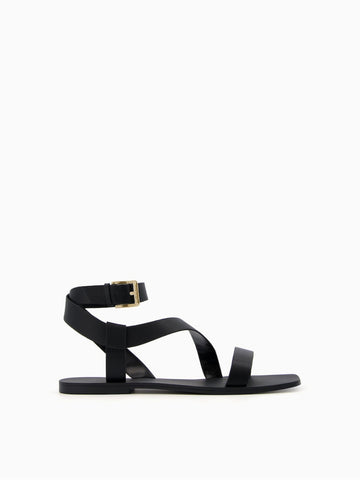

Fashion trends often trace back to unexpected origins. The leather jacket, now a timeless wardrobe staple, began in 1928 when designer Irving Schott created the "Perfecto" from durable horsehide. Originally priced at just $5.50, this motorcycle jacket became a cultural icon by the 1950s. Today, leather remains central to footwear and fashion industries, though its definition has shifted significantly over decades to include synthetic alternatives.
Modern leather encompasses both traditional hides and synthetic options like polyurethane and PVC. While synthetic "pleather" offers animal-friendly benefits, these petroleum-based materials come with their own environmental concerns, failing to biodegrade like natural leather. Understanding these distinctions helps consumers make informed choices about the pieces they invest in, ensuring their wardrobe choices align with their values and sustainability goals.